
Is A Brochure A Primary Source
Is A Brochure A Primary Source - A primary source is an eyewitness account of an event or data obtained through original statistical or scientific research. Legislative branch makes legislation or statutes that are found in. 11m+ users worldwidedynamic visualizationsprofessionally designed Here is a quick and easy step by step approach to identifying and finding primary source collections for a very specific topic. Unlimited downloadstrusted by 10m customersno software requiredprofessionally made We answer the 5 most asked questions about primary sources. Primary sources are materials in a variety of formats that serve as original evidence documenting a time period, an event, a work, people, or ideas. A primary source is a firsthand account of an event or topic recorded by an eyewitness. Primary law comes from one of the 3 branches of government. Primary sources are the most important sources when undertaking a research project. Primary sources are materials in a variety of formats that serve as original evidence documenting a time period, an event, a work, people, or ideas. A primary source is anything that gives you direct evidence about the people, events, or phenomena that you are researching. A primary source is a. This page will give you some guidance on deciding whether a source can be considered primary or. A secondary source, on the other hand, analyses,. Primary and secondary sources often differ based on the academic discipline. In law, a primary source is the law itself. 11m+ users worldwidedynamic visualizationsprofessionally designed A primary source is a document or other piece of evidence written or created during the time being studied, or by one of the persons or. Legal materials, including statutes, bills, congressional reports, hearings, court records, case notes, brochures and other documents produced by federal, state and local. Primary sources can include speeches, letters, diaries, photographs, or any historical document that bears direct witness to historical events. Categorise sources give students a range of sources and a guiding research question. Primary and secondary sources often differ based on the academic discipline. Primary sources can be viewed as the focal point of a discussion. Primary sources are the most. Some common types of primary resources include manuscripts, diaries, court cases, maps, data. A primary source is a. Primary sources provide the raw data you use to support your arguments. Primary sources vary by discipline and can include historical and legal documents, diaries, letters, family records, speeches, interviews, autobiographies, film, government. Write out your research question. Use primary sources when you want to make claims. Primary sources are the most important sources when undertaking a research project. Primary law comes from one of the 3 branches of government. Examples can include letters, photographs, diaries, and autobiographies. They are created by witnesses or recorders who experienced the events. Examples can include letters, photographs, diaries, and autobiographies. Primary sources may be published or unpublished works. A primary source is an eyewitness account of an event or data obtained through original statistical or scientific research. Primary sources can be viewed as the focal point of a discussion. Primary and secondary sources often differ based on the academic discipline. They are created by witnesses or recorders who experienced the events. Primary sources can be viewed as the focal point of a discussion. Unlimited downloadstrusted by 10m customersno software requiredprofessionally made Primary sources are the raw. Here is a quick and easy step by step approach to identifying and finding primary source collections for a very specific topic. Primary sources vary by discipline and can include historical and legal documents, diaries, letters, family records, speeches, interviews, autobiographies, film, government. This page will give you some guidance on deciding whether a source can be considered primary or. Here is a quick and easy step by step approach to identifying and finding primary source collections for a very specific topic.. In law, a primary source is the law itself. Primary sources provide the raw data you use to support your arguments. Secondary sources are interpretations and analyses based on primary sources. An introduction to finding primary source materials. When conducting academic research, you will need to be able to distinguish between primary and secondary sources. Unlimited downloadstrusted by 10m customersno software requiredprofessionally made When conducting academic research, you will need to be able to distinguish between primary and secondary sources. We answer the 5 most asked questions about primary sources. Primary sources are the raw. Legislative branch makes legislation or statutes that are found in. Primary sources vary by discipline and can include historical and legal documents, diaries, letters, family records, speeches, interviews, autobiographies, film, government. What are some examples of primary. Categorise sources give students a range of sources and a guiding research question. Examples can include letters, photographs, diaries, and autobiographies. This page will give you some guidance on deciding whether a source. Secondary sources are interpretations and analyses based on primary sources. A primary source is a firsthand account of an event or topic recorded by an eyewitness. Legislative branch makes legislation or statutes that are found in. An introduction to finding primary source materials. A primary source is an original source or study. A primary source is an eyewitness account of an event or data obtained through original statistical or scientific research. Use primary sources when you want to make claims. Primary sources may be published or unpublished works. A primary source is a. A secondary source, on the other hand, analyses,. What is a primary source? A primary source is anything that gives you direct evidence about the people, events, or phenomena that you are researching. When conducting academic research, you will need to be able to distinguish between primary and secondary sources. What are some examples of primary. Legal materials, including statutes, bills, congressional reports, hearings, court records, case notes, brochures and other documents produced by federal, state and local. We answer the 5 most asked questions about primary sources. Primary sources provide the raw data you use to support your arguments. In law, a primary source is the law itself. Categorise sources give students a range of sources and a guiding research question. Primary sources are materials in a variety of formats that serve as original evidence documenting a time period, an event, a work, people, or ideas. What is a primary source?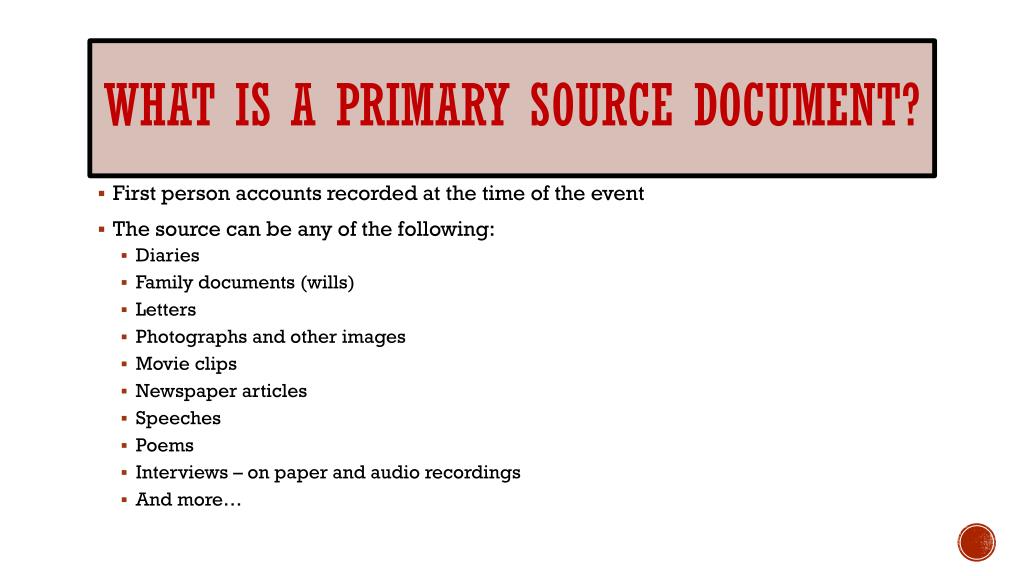
PPT Primary source documents PowerPoint Presentation, free download
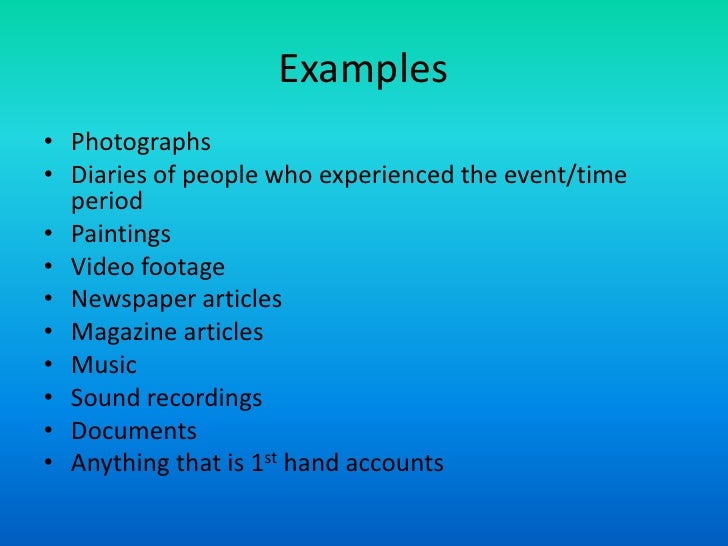
What is a primary source
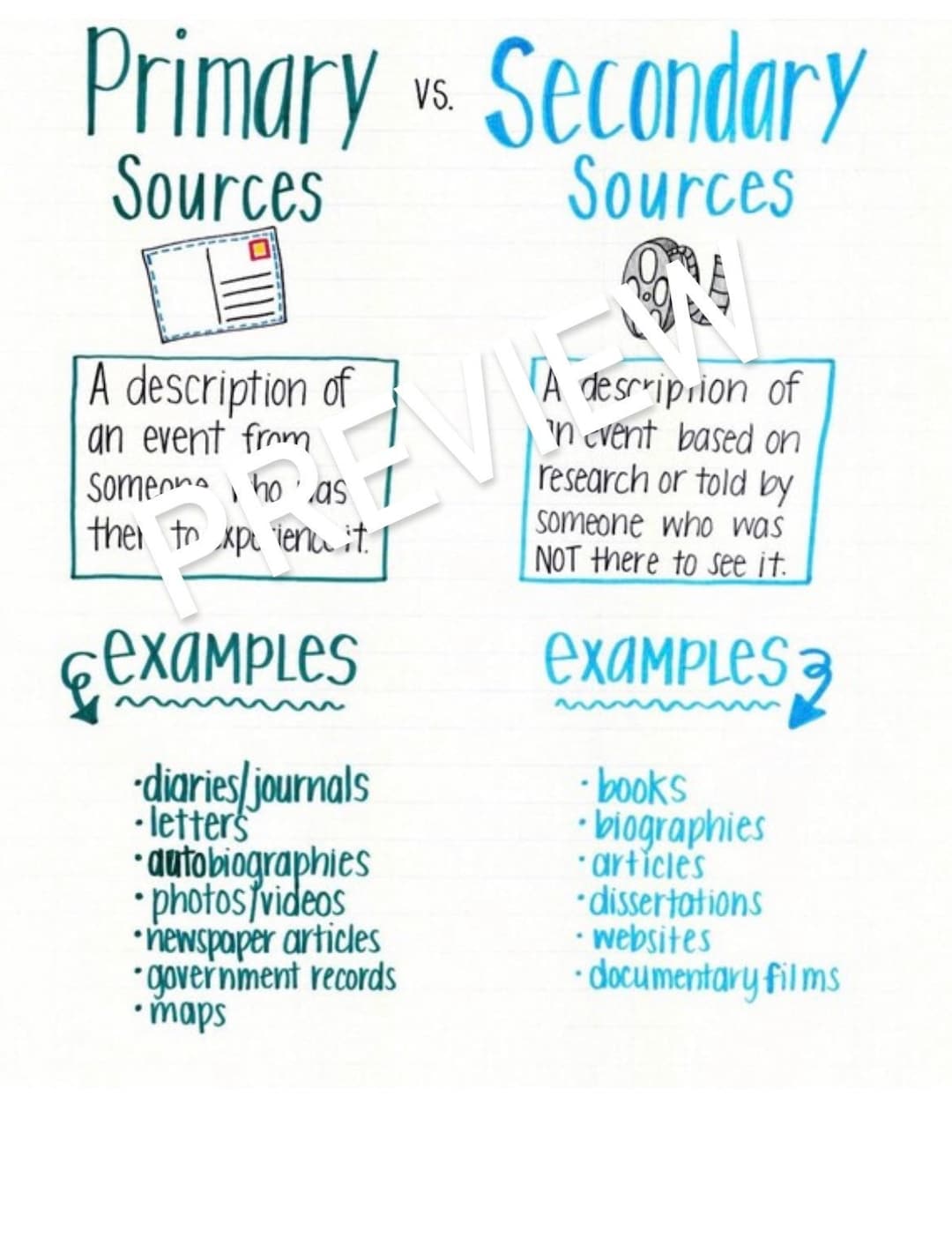
Primary Vs. Secondary Sources Anchor Chart Etsy
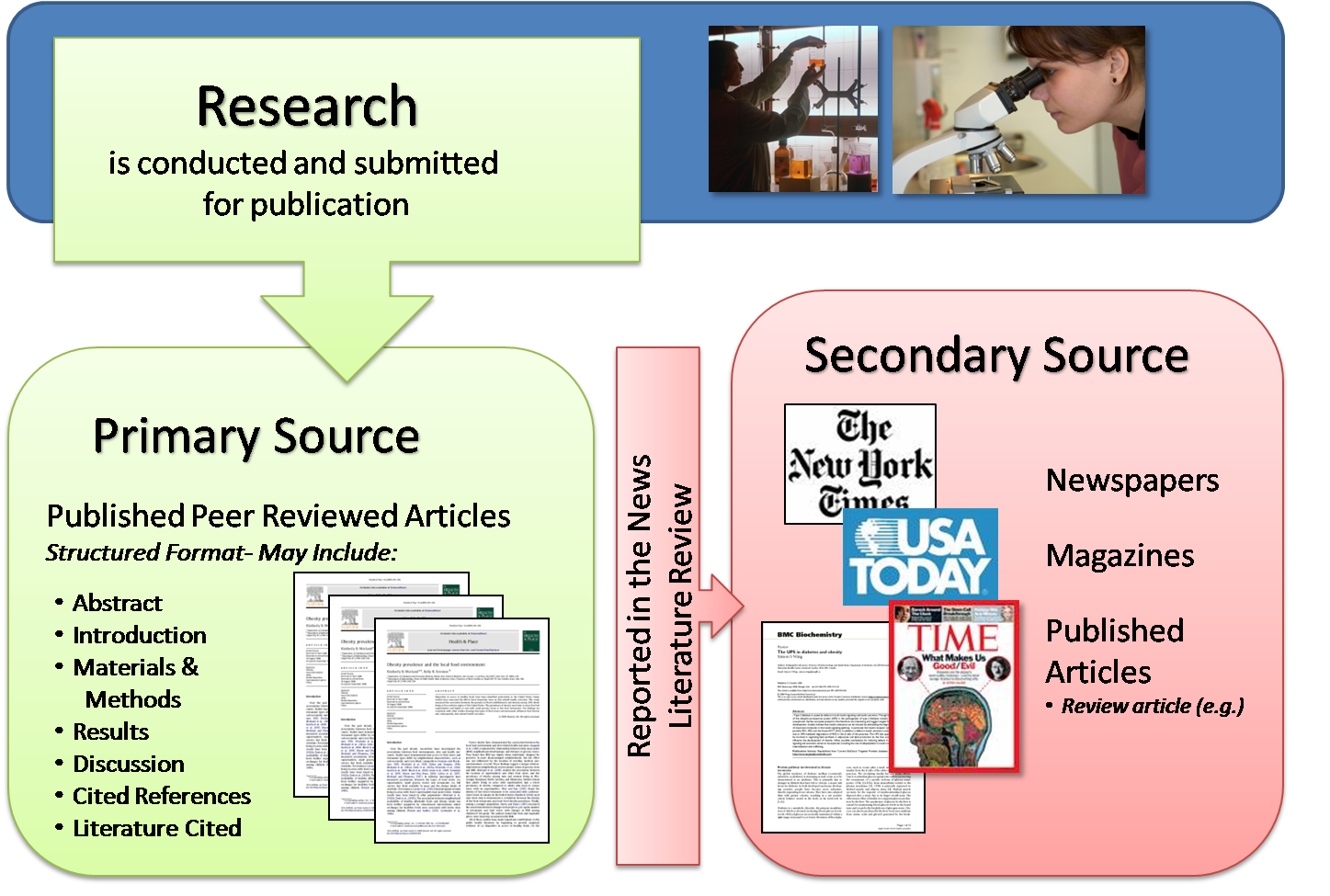
Primary Vs Secondary Sources Storyboard By Matt Campb vrogue.co

Primary Source Seminar Brochure

3 Ways to Help Students Understand Primary and Secondary Sources
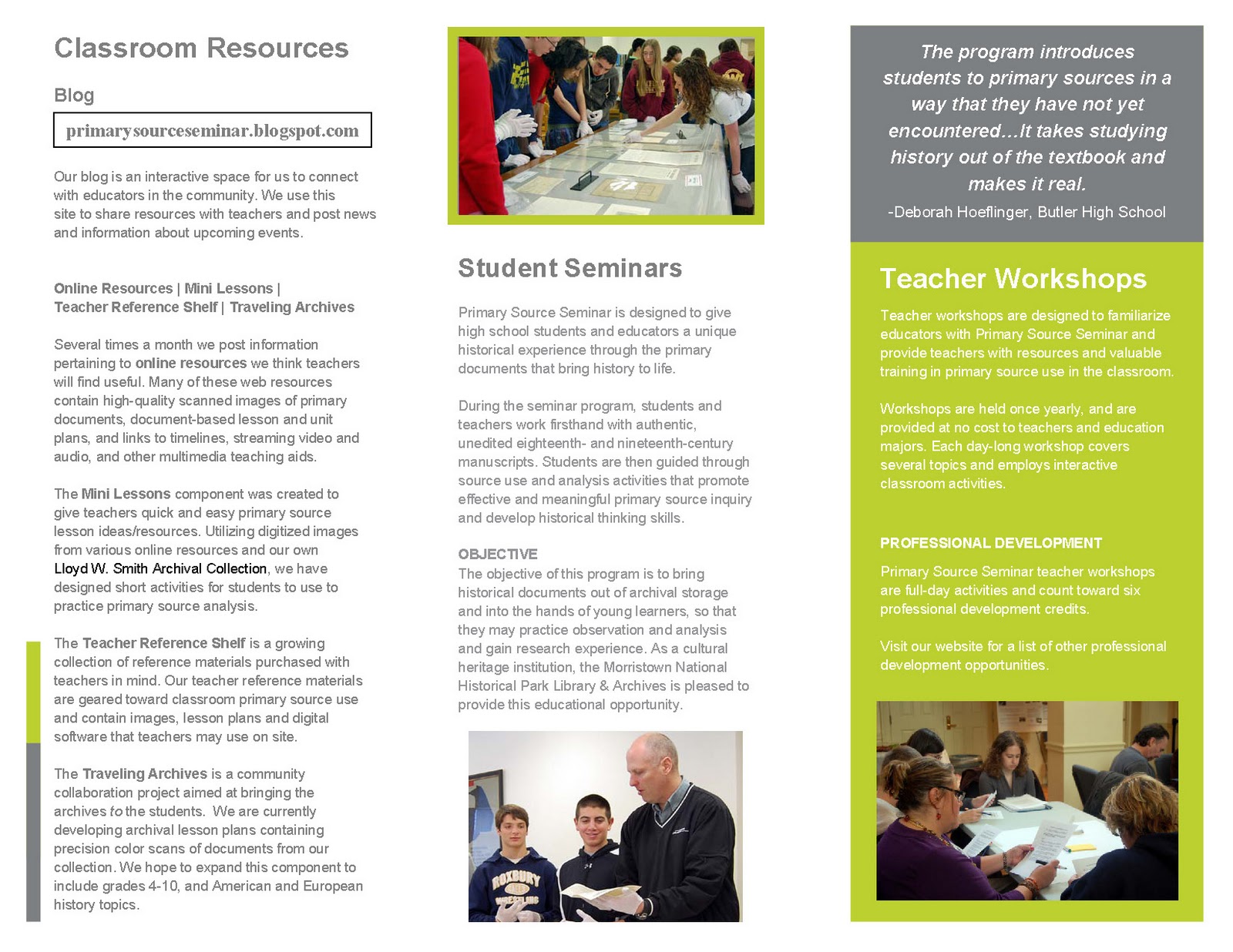
Primary Source Seminar Brochure

Pamphlet Examples For School

PPT Primary and Secondary Sources PowerPoint Presentation ID2242988

21 Examples of Primary Sources (A to Z List)
Primary Law Comes From One Of The 3 Branches Of Government.
Primary Sources Can Include Speeches, Letters, Diaries, Photographs, Or Any Historical Document That Bears Direct Witness To Historical Events.
Legislative Branch Makes Legislation Or Statutes That Are Found In.
This Page Will Give You Some Guidance On Deciding Whether A Source Can Be Considered Primary Or.
Related Post: